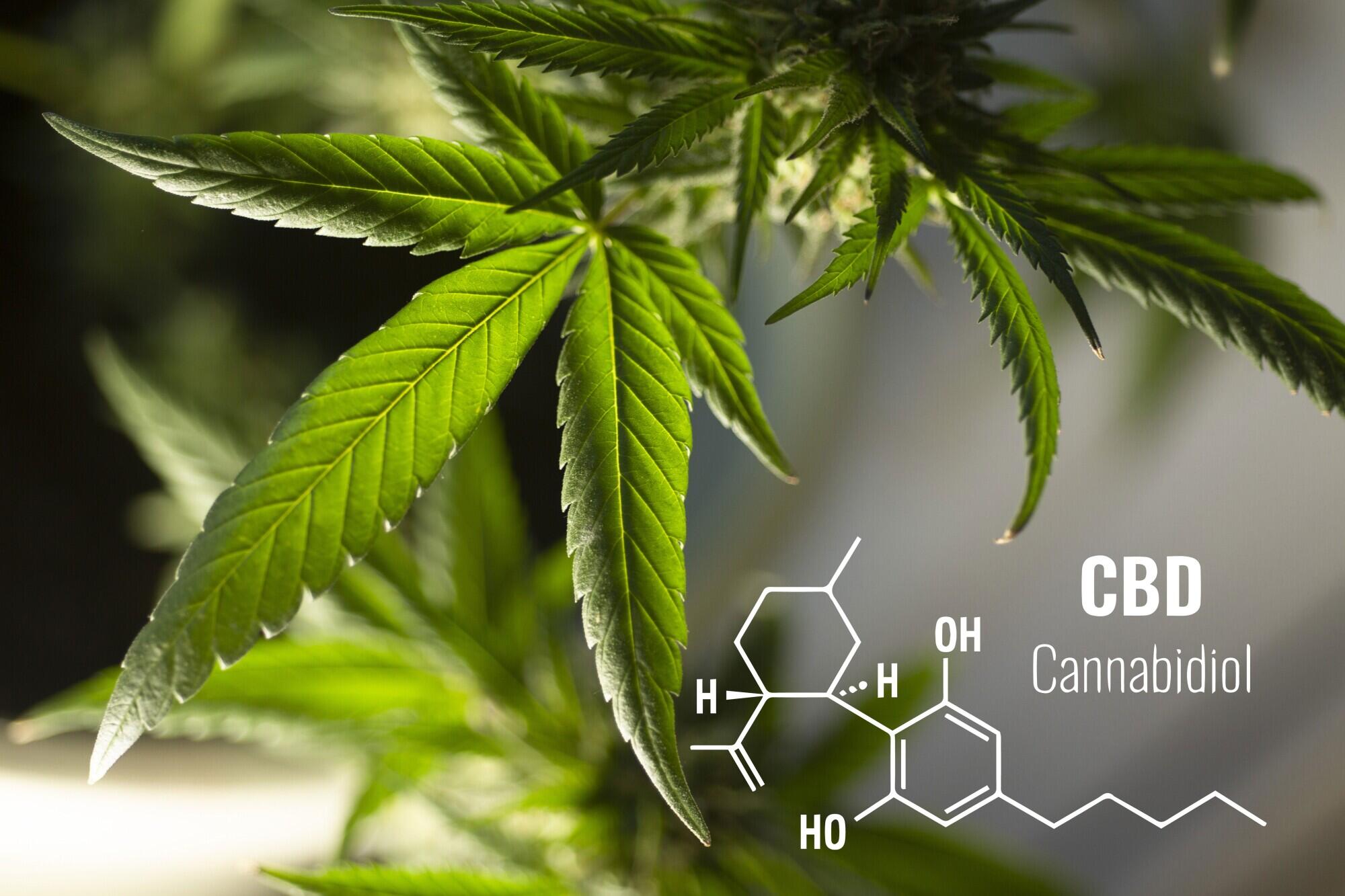
CBD has become a popular topic in health and wellness talks, but what does science really say about it? Many people see CBD oils, creams, and gummies, yet feel unsure about how they work. Is CBD the same as THC, and why does it not cause a “high”?
Learning the basics can clear up common myths and confusion. This article breaks down the science behind CBD in simple terms. It also explains how CBD interacts with the body and what consumers should know before making informed choices.
What CBD Is and Where It Comes From
CBD, short for cannabidiol, is a natural compound found in the hemp plant. It is one of many compounds called cannabinoids. Unlike THC, CBD does not cause mind-altering effects. This makes it appealing to people who want support without feeling high.
CBD is usually taken from hemp because hemp has very low THC levels. After extraction, CBD can be turned into oils, powders, or added to many products for daily use.
How CBD Works Inside the Body
CBD works by interacting with a system in the body called the endocannabinoid system. This system helps control balance, mood, sleep, and stress response. CBD does not attach strongly to receptors but helps them work better.
This gentle action is why effects can feel mild and steady. Everyone’s body is different, so reactions may vary. Body weight, diet, and overall health can influence how CBD feels to each person.
The Science Behind CBD Extraction and Forms
CBD comes in different forms based on how it is processed. Common types include full-spectrum, broad-spectrum, and isolate. Full-spectrum contains many plant compounds, while isolate is pure CBD only.
Some businesses prefer wholesale CBD isolate because it offers consistency and no THC. Extraction methods like CO2 help keep CBD clean and stable. These processes matter because they affect purity, strength, and safety for consumers.
Understanding CBD Quality and Testing
Quality CBD products should be tested by third-party labs. These tests confirm CBD levels and check for harmful substances. Lab reports are often called certificates of analysis and they help consumers know what they are buying.
Clear labels, batch numbers, and ingredient lists also matter. Choosing tested products lowers risk and builds trust. Good quality control supports safer use and better overall experiences.
Making Smart Choices as a CBD Consumer
Smart CBD choices start with reading labels and doing simple research. Look at the source of the hemp and how CBD is made. Start with small amounts to see how your body responds.
Avoid products with unclear claims or missing test results. Asking questions and comparing brands helps too. Learning the science makes it easier to choose CBD that fits your needs and comfort level.
Understand The Science Behind CBD to Help You Make Informed Choices
CBD can seem confusing at first, but basic science helps make it easier to understand. Knowing what CBD is, how it works, and how it is made gives consumers more confidence. Quality, testing, and clear information all play a big role in safe choices.
CBD is not a cure, but it may support balance when used wisely. By staying informed and careful, consumers can avoid common mistakes. Keep learning and exploring reliable sources to build better knowledge.
Explore other helpful articles on our blog to learn more.