Understanding the Benefits of Hybrid Inverter Solar Systems
Posted on April 26, 2024 by Logo Design Tips and Tricks
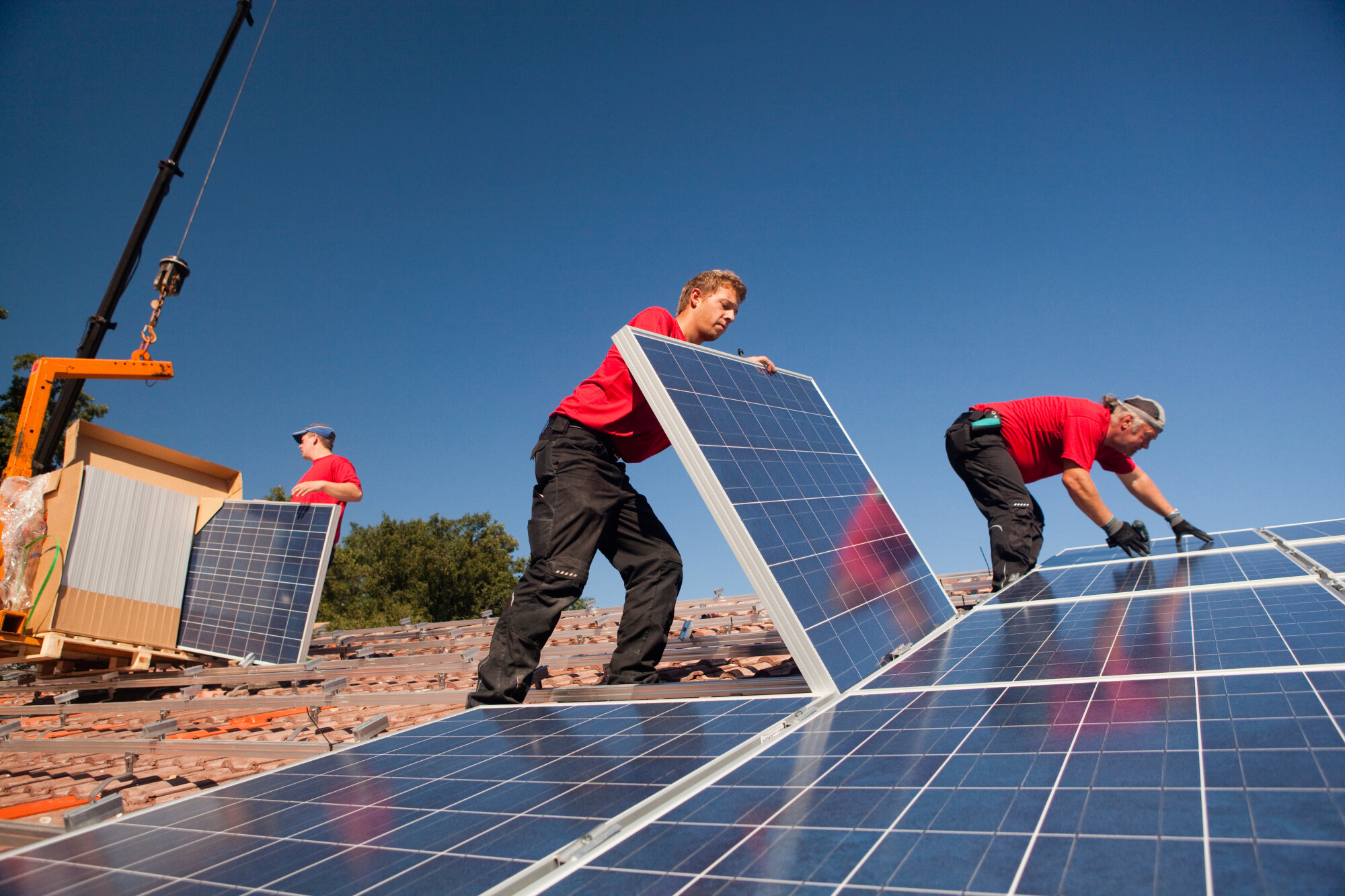
Imagine a superhero for your home that can pull energy from the sun, save it, and then use it to power up your world anytime-day or night. Well, that’s what a hybrid inverter does in the solar power world!
It’s like having a power wizard at your service, making sure you’re using solar energy in the smartest way possible. In this blog, we’ll dive into the magic of hybrid inverter solar systems and how they’re changing the game in renewable energy. Stick around to see how this technology can light up your life in ways you never imagined!
The Power of Solar Energy – Harnessing Sunlight for Electricity
Solar power, which turns sunlight into electricity, is one of the most popular and useful types of renewable energy. Photovoltaic cells, which are another name for solar panels, turn light from the sun into electricity.
Direct current (DC) electricity is sent to a solar inverter, which changes it into alternating current (AC) electricity. Most homes and businesses use AC electricity. The main parts of a traditional solar power system are an inverter, a solar charge controller (for battery systems), and a solar PV array.
What Are Hybrid Inverter Solar Systems?
A hybrid inverter solar system is an advanced type of regular solar power system that is made to work better and do more. The most important new thing about hybrid systems is that they include energy storage, which is usually done with batteries. Batteries can store extra power made during sunny days so that it can be used at night or during times of high demand.
Hybrid solar inverter systems can work without being connected to the power grid. This means that you can use your solar energy whenever you want, without having to depend on the utility grid.
It is called a “hybrid” because it has both a standard solar inverter and a battery inverter. To get the most out of solar power, this smart system controls all its inputs and outputs. They usually come with better monitoring tools that let people see how well their solar energy is producing and storing energy.
Benefits of Hybrid Inverter Systems
Hybrid inverter systems are better for solar energy because they store extra power for later use. This way, not a single bit of sunlight is lost. They work with or without the power grid, so you can always have power, even if the grid goes down or you’re in a remote area where you can’t connect.
You can save a lot of money on your electricity bills with these systems. They can also help you use less expensive, nonrenewable utility power by letting you use more solar energy. Real-time monitoring lets people know how much power they are using, which helps them find ways to use more.
Cost-Saving Potential
One of the most obvious and useful benefits of a hybrid inverter system is that it can save you a lot of money. People can become less reliant on the power grid by storing extra energy when it’s easiest to get (during the day when the sun is shining). This can be especially helpful if you live in an area with different rates for different times of the day.
A key feature for saving costs includes the solar hybrid inverter’s capability to feed surplus power back to the grid. Through net metering programs available in many areas, you can receive credits for the extra energy your system contributes back, which can lower your electricity expenses or generate income over time.
Enhanced Energy Independence
Hybrid solar inverter systems offer a degree of energy autonomy that is not possible with traditional solar power alone. By having a backup energy source available, homeowners are protected from blackouts or power outages.
This can be essential in areas prone to extreme weather events or in instances where the grid is unreliable. Blue Raven Solar in Minnesota has invested in hybrid solar inverter systems for homes that desire to stay connected without the hassle of occasional outages.
Reduction in Your Environmental Footprint
Giving up the chance to save money by using less energy is the right thing to do for the environment. If you need backup power, you can use a hybrid solar inverter system instead of the grid, which gets its power from fossil fuels that don’t break down. Your life will get better as you leave less of a carbon footprint.
Tips for Choosing the Right Hybrid Inverter System
A lot of things need to be taken into account when picking the right hybrid inverter system. These include how much energy you use, the size of your home, and even the rules and incentives in your area. Don’t forget these:
Consider Your Energy Consumption and Needs
Start by evaluating your typical energy consumption. Look at your past electricity bills to understand your usage patterns, and consider the seasonal variations. This data will help you determine the optimal size of your solar PV array and battery storage capacity.
Understand Local Regulations and Incentives
Talk to your power company and the right government offices to find out what laws and rules might affect how you set up your hybrid system. See if there are any deals or rebates that could help you pay for the installation.
Quality Matters
Solar panels, batteries, and inverters are all high-quality parts that you should buy for your hybrid system. A system is only as strong as its weakest link, and the performance and dependability of your system will depend on how well the inverter works.
Seek Professional Help
An extensive task lies in planning and putting together a hybrid solar system. Choose solar energy companies with a good reputation that can examine your site, provide custom solutions, and guarantee a job well done.
Harnessing Tomorrow’s Energy Today – The Bright Future of Hybrid Inverter Systems
In wrapping up, the “hybrid inverter” stands at the core of a revolution in sustainable living, balancing energy production, storage, and consumption. This transformative technology not only propels us towards a future of reduced carbon footprints and greater energy independence but also embodies the potential for significant cost savings and enhanced reliability.
By adopting hybrid inverter systems, we can take part in shaping a more sustainable, resilient, and energy-efficient world. It’s a powerful step forward in harnessing the sun’s energy for a brighter tomorrow.
Want to learn more? Don’t forget to explore our other articles before you leave!
The Future of Cheap CRMs With Trends and Predictions for Small Businesses
Posted on April 26, 2024 by Logo Design Tips and Tricks

Customer Relationship Management (CRM) software isn’t just a tech buzzword. It’s a vital tool for businesses aiming to stay ahead in today’s competitive market.
For small businesses and startups, finding a cheap and effective CRM can feel like striking gold. But what does the future hold for affordable CRM solutions?
With the business landscape constantly evolving, let’s look at some key trends and predictions for the future of cheap CRMs.
The Rise of Mobile CRM
Mobile devices have become an integral part of our daily lives. Businesses can’t afford to ignore this trend. In the coming years, we can expect to see an increase in the usage of mobile CRM solutions.
With the rise of remote work and flexible schedules, access to CRM data on-the-go has become a necessity. This makes mobile capabilities a crucial factor for small businesses when choosing a CRM.
As a result, we can expect CRM providers to invest more in developing mobile-friendly and user-friendly platforms. This will not only make it easier for businesses to access their CRM data but also improve overall productivity.
Automation and AI
Automation has already made its way into many business processes, and CRM is no exception. We expect to see more affordable CRMs incorporating artificial intelligence (AI) and machine learning capabilities in the future.
AI-powered CRMs can automate tasks such as:
- Data entry
- Lead scoring
- Customer segmentation
This not only saves time but also helps businesses make more informed decisions based on real-time data.
Additionally, AI-powered chatbots integrated into CRM systems can improve customer service and support. It’ll provide an efficient and cost-effective solution for small businesses.
Integration With Other Tools
In the future, we will see more inexpensive CRM systems offering better integration capabilities with other tools and software used by small businesses. This means if you are debating between using ERP vs CRM software for your business, you can have both with proper integration.
Seamlessly integrating with other tools will make it easier for small businesses to manage their operations. For example, integrating with accounting software can automate invoicing and payment processes. Meanwhile, integration with cold email software can streamline lead nurturing.
Cloud-Based Solutions
The future is in the cloud, and CRMs are no exception. We expect to see more CRM cheap options offering cloud-based solutions. This will minimize upfront costs and allow for easy scalability as your business grows.
Cloud-based CRMs also offer the advantage of remote access and data sharing. This will make it easier for businesses with remote teams or employees to collaborate and stay connected.
Personalization and Customization
We expect to see many cheap CRMs offering personalized and customizable features in the future. This will allow businesses to tailor their CRM to meet their specific needs and requirements.
Personalization and customization can:
- Improve user experience
- Increase efficiency
- Provide a competitive advantage
This will be particularly beneficial for small businesses with unique processes and workflows.
Invest in Cheap CRMs Today
With the emergence of new trends and predictions, the future of cheap CRMs looks bright for small businesses. These technological advancements will provide affordable and efficient solutions for managing customer relationships.
As small business owners, it is essential to take advantage of these opportunities and invest in a cheap CRM to strategize and grow your business. So, don’t wait any longer! Start exploring your options and improve your customer interactions today!
Was this article helpful? For more content like this, check out the rest of our site.
What You Need to Know in Going Off-Grid with Hybrid Inverter Solar
Posted on April 25, 2024 by Logo Design Tips and Tricks
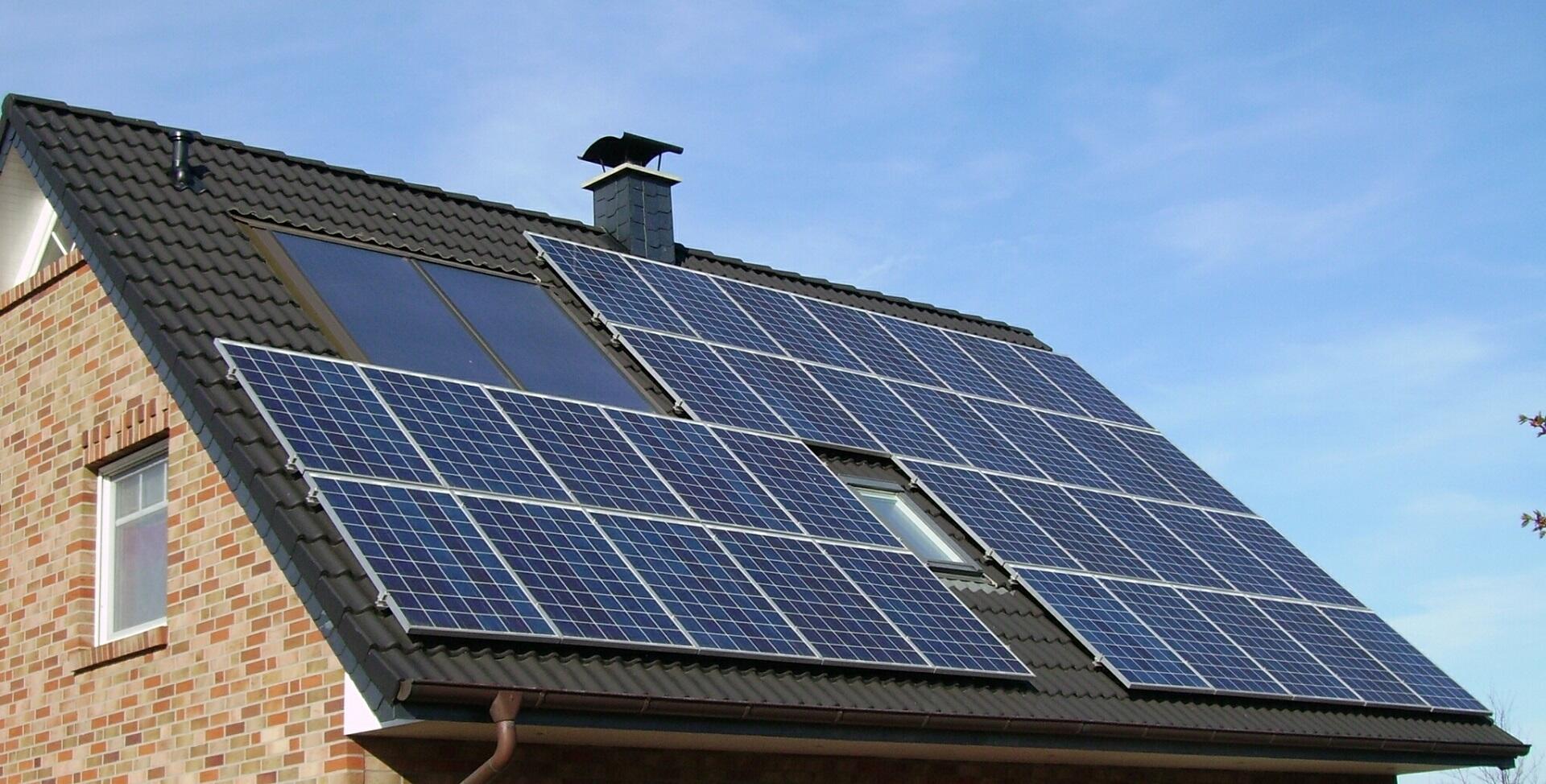
Living off-grid is enchanting. It promises self-sufficiency, sustainability, and a closer bond with nature. And in our quest to unplug from traditional utilities, solar power takes center stage.
But the path to off-grid solar isn’t paved with sunshine. It’s full of technical decisions. These choices could mean the difference between a comfortable life and power pitfalls.
This guide will explain the details of going off-grid. It will cover using a hybrid inverter solar system.
We’ll demystify technical jargon. We’ll also give practical tips for system design and maintenance. We’ll ensure your move to off-grid living is as enlightening as the system you’re about to set up.
Understanding the Basics of Hybrid Inverters
Before you go off-grid and buy a hybrid inverter, you must understand it. As the name suggests, a hybrid inverter is crucial to a hybrid power system.
It combines solar power with a second power source. This second source is usually the grid or a generator.
DC and AC Explained
Electricity comes in two forms: direct (DC) and alternating (AC). DC is the kind of electrical flow from a battery or a solar cell where the electrons flow in one direction.
AC power switches direction. This makes it easier to convert voltages. It ensures that a single power-generating system can deliver power across long distances.
What Makes a Hybrid Inverter Unique?
A hybrid solar inverter is a solar inverter. Its integrated system manages many power forms. One of its key functions is using power from solar panels.
It works even when the sun’s not shining. This can be done by converting DC to AC for home use or storing it in batteries. It’s also intelligent enough to know when more power is needed and can draw from a backup generator or the grid if necessary.
Designing Your Off-Grid System With A Hybrid Inverter
The design phase of an off-grid solar system is where theory meets practice. It’s a crucial stage where you craft a setup tailored to your:
- energy needs
- geographic location
- budget
- peculiarities of your environment
Sizing Your System
Sizing your off-grid system is vital. Undersizing can mean running out of power at night or in bad weather. Oversizing can lead to higher costs and inefficiencies.
You must analyze your past power use. Consider the peak load. Also, factor in any future changes to your energy use.
Battery and Inverter Pairing
Your battery bank and inverter are best friends in an off-grid system. Proper pairing ensures the inverter gets the right voltage and amperage. This leads to top efficiency, longevity, and safety for your energy storage system.
Wiring and Safety Considerations
Your system’s wiring must be planned to prevent power losses and safety hazards. You should also add overcurrent protection devices, grounding, and surge suppression to the design. These devices protect your equipment and home from electrical damage.
Optimizing Your Solar Harvest with Hybrid Inverters
An off-grid solar system isn’t about the hardware; it’s also about how you manage the available energy. Maximizing your solar harvest ensures you can live off the sun’s energy as much as possible while keeping your batteries healthy.
Monitoring and Control Systems
A sound monitoring system can show you how much energy your solar panels are producing and how much you’re using in real time. Some hybrid inverters have built-in features. They allow for precise control over your energy usage and system operation.
Proper System Setup and Configuration
The devil is in the details, and a system that’s not configured correctly can lead to inefficiencies and problems down the line. Ensuring that all the settings are dialed in, including voltage and frequency control for the AC output, will result in a more reliable system.
Weather Compensation and Load Shedding
Advanced hybrid inverters have features such as weather estimators to predict how much solar energy you’ll get on a given day, compensating for changes in weather without user intervention. Load shedding allows you to rank your energy usage so you never run out of power when needed.
Maintenance and Troubleshooting for Off-Grid Systems
A well-maintained off-grid solar system can provide years of reliable service. Regular checks will ensure your system remains efficient, safe, and ready for whatever nature, offering a bumpier sun path than the inverter design.
Routine Inspections and Cleaning
Solar panels need regular cleaning to maintain efficiency. Dust, debris, and even bird droppings can reduce the amount of sunlight reaching your cells. A bi-annual inspection of all system components can help catch issues before they become critical.
Inverter Health and Upkeep
The inverter is the most susceptible component in your solar system. Checking for loose connections, ensuring proper ventilation, and inspecting the inverter for any physical damage will keep it humming without hiccups.
Battery Maintenance
Batteries are the workhorse of an off-grid system. Regular maintenance can extend their lifespan, including checking electrolyte levels in flooded lead-acid batteries, observing charge and discharge rates, and ensuring proper ventilation.
The Cost of Going Hybrid Solar Off-Grid
Off-grid solar is an investment; understanding its costs is the first step to financial prudence.
Initial System Cost
The upfront cost of installing an off-grid solar system can be significant. This includes the cost of solar panels, hybrid inverters, batteries, and other requisite hardware such as mounting equipment, wiring, and control systems.
Long-Term Financial Savings
While the initial financial outlay for an off-grid system can be high, the long-term savings can be significant, particularly if you before paid for grid electricity. With an average solar panel lifespan of 25-30 years, the power they generate effectively becomes free beyond the initial investment period.
Return on Investment (ROI)
The ROI for an off-grid solar system depends on various factors, but a well-designed and maintained system can typically pay for itself within 5-10 years, sometimes even less.
This includes savings on electricity bills and any incentives or rebates available in your area for adopting renewable energy. If you want to invest in solar energy at home, look at Blue Raven Solar in Grand Rapids.
Understanding the Hybrid Inverter Solar
The decision to go off-grid with a hybrid inverter solar system has not been made. It requires a significant investment in time, money, and education, but the rewards can be as large for those willing to take the plunge.
We hope this guide has illuminated the essential elements of an off-grid solar system. With the correct information and a commitment to sound planning and maintenance, you can enjoy the countless benefits of living off the grid powered by the sun.
For more helpful tips, check out the rest of our site today!
How to Become a Certified HIIT Trainer: A Step-by-Step Guide
Posted on April 25, 2024 by Logo Design Tips and Tricks

High-Intensity Interval Training (HIIT) has surged in popularity thanks to its proven effectiveness in cardiovascular and strength training, as well as its efficiency in burning calories.
Getting certified as an HIIT trainer could be the ideal career choice for you if you have a strong interest in fitness and are keen to assist others in reaching their objectives. This is your comprehensive how-to manual for getting started.
Get a Basic Fitness Certification
Before you can specialize in HIIT, you’ll need to start with a basic fitness trainer certification. Think of this as your entry ticket into the world of fitness training. It covers the essentials like how the human body works, basic fitness principles, and how to keep your future clients safe and injury-free during workouts.
This certification makes sure you know your stuff before you move on to more specific training. Plus, it’s a great way to show your clients that you’re a pro who takes their fitness seriously.
Choose Your HIIT Certification
Once you’re a basic fitness pro, it’s time to pick your HIIT course. Not all courses are the same. Some are super detailed, and others are easier to get through. You want one that teaches you lots of cool HIIT stuff and is also trusted by gyms and fitness fans.
A good pick is ASFA’s HIIT Certification. It’s got what you need to be a top HIIT trainer. It goes over all the HIIT moves and how to make sure your class is safe and fun. This certification helps you stand out and shows you know your HIIT stuff well.
Gain Practical Experience
After you get your HIIT cert, it’s time for the fun part – actually coaching! Start small. Maybe help friends or do small classes. This lets you try what you learned for real. You learn a lot by doing. Every class teaches you new stuff about leading, picking exercises, and helping folks hit their goals.
Also, think about working at a gym. It’s a good fitness job that lets you meet many people and learn how gyms work. Plus, you get to see different fitness styles. Remember, more practice makes you a better coach.
Continue Your Education
Keep learning new things. Go to workshops or online classes. Teaching fitness is always changing. New exercises and science come out all the time. You can be a better trainer if you know the newest stuff. Plus, you can teach more kinds of classes if you learn more. This keeps your job fun and helps you help more people.
Market Yourself
To get people to know you as a HIIT trainer, you have to spread the word about what you do. First, make cool stuff online like videos where you show some HIIT moves or share fitness tips. Use Instagram, TikTok, or YouTube. People love seeing fitness stuff there.
Next, make business cards and give them to everyone you meet. Tell them what you do. Also, join local fitness groups or clubs. You can meet folks who might want a trainer. Remember, the more people see you and what you do, the more they’ll think of you when they want to get fit.
Become a Certified Hiit Trainer Now
Now you know how to be a HIIT trainer. Do the steps. Get your basic cert. Then, get the HIIT one. Practice a lot. Keep learning. Tell everyone you’re a HIIT trainer. It’s fun and you help people be healthy. Go be a great HIIT trainer now!
Did you find this article helpful? Check out the rest of our blog.