Before You Sign On the Dotted Line: 3 Things You Should Know About Your First Home Mortgage
Posted on September 30, 2020 by Logo Design Tips and Tricks

Buying your first home is a daunting, terrifying — but exciting time! It’s a time when you can think back about all the things that brought you to a point when you can settle down. It’s also an opportunity to look ahead and wonder what the future may hold for you, your family, and your finances.
Your first home mortgage will dictate a lot of what the future holds for you. Choosing a bad loan can have devastating consequences down the line, and cost you more than money. However, if you do your research and trust experts, you will be able to find a loan that works with you and prepares you for better things ahead.
Keep reading below to learn more about what you should look for in your first home mortgage, and how to be a responsible home buyer.
Your First Home Mortgage Should Make You Question Things
If you’re not at least a little scared about buying a home, then you should rethink if you’re ready for one. It takes a lot of responsibility to own your home, and not everybody is ready for it. A house will challenge more than just your finances — it will also drain your mental health.
You should be wondering if your job is actually secure enough to fund a mortgage. You should also ponder whether you’re ready to settle down into a place for several years. Are you ready to spend time away from friends if they move away, and are you ready to repay something that may take decades to wipe away?
What is Your Financial Situation Actually Like?
The most important thing you should ask yourself about is your financial situation. Most people already have a secure and stable job by the time they apply for a mortgage, or that’s what it seems like. You should think about your financial situation beyond your immediate experience.
Is your industry stable and is your company going to last for the duration of your mortgage? Will your family be happy in the location you picked, and can you find other work if you need it? Questions like these should all be answered before getting a mortgage.
First Time Home Buyer’s Have Special Advantages
If you’re buying a home for the first time, then you’re in luck because you have access to special advantages. First home buyer loans often come with federal supplements and advantages to help you get your first home. They can help you meet the required amount for a down payment, and even help you get better interest rates.
All you need to do is speak with a financial expert about what you qualify for. Many can be found through your bank, or online.
Congratulations on Buying Your First Home!
If you’re about to take out your first home mortgage, then congratulations is in order! You’re about to take the next step and settle down into your new life. You’ve done what man others couldn’t have managed to find a place where you can be happy,
Congratulations!
However, there are still some challenges ahead, like caring for your home and repaying your mortgage. And for more advice on that, keep reading here!
Not a Mistake: What is Planned Obsolescence?
Posted on September 30, 2020 by Logo Design Tips and Tricks

Consumers scour the internet in hopes of finding the perfect product to meet all their needs. This attempt to be good financial stewards of their money gets undermined at every turn by major brands.
Corporate giants use planned obsolescence to make sure your dreams of product longevity are shortened to null. Check out this guide to understanding planned obsolescence and what it means for our environment.
The Forced Upgrade
When your appliances break, all you can think is how you’re going to make sure you buy the right version next time so it lasts longer. You consider the number of years it’ll likely last and divide that by the total cost hoping for some consolation that it’s only ‘X’ amount per year.
But this logic implies that you actually know how long your product or service will last. Planned obsolescence says that your product will last only as long as the brand is ready to release a new model.
An average from 1970 or how long refrigerators last have nothing to do with today’s consumer market. Average product lifespans no longer matter and brands feel no shame about it.
There are some exceptions to this rule based on the type of product it is and it’s pricepoint, but things like cell phones can have new releases throughout the year.
Apple never apologizes for it’s latest and greatest devices. It’s a forced upgrade people enjoy being a part of.
Less sexy forced upgrades usually include things you can barely afford or barely use. No one wants to spend more than a few minutes looking at a new printer when the old one no longer works.
You just want an occasional document printed at home for that rare occasion email isn’t possible. This forced upgrade you hate because knowing that it’s a printer feels like the right amount of information you should need before making a purchase.
Planned obsolensce isn’t just bad when it’s annoying though. It’s bad year round when you consider the impact to both your personal finances and the environment.
No Take Backs
The biggest problem with planned obsolescence is that companies won’t take the item back. Apple’s attempt at a recycling program for old phones is at least a start towards realizing people have no idea how to upcycle and old iPhone.
But most companies won’t even acknowledge the waste. This is a major problem because it puts the ownice on the consumer to figure out whether it’s a good item for a landfill.
Without really understanding its components, you can’t really make a decision about recycling or trashing an item. There’s no chance that you’d have an alternative to say, reuse or upcycle an old fridge once it broke down.
At some point, you’d give up trying and resort adding more E-waste on environment. Companies can play a much bigger role in cleaning up their product waste.
They’re best equipped to understand how products can be reused and the safest method of trashing the item. Yes, consumers technically own the item once they bring it home, but once they’re sold something new (that they don’t need) the company needs to take responsibility.
That’s the cost of turning a profit. Creating perceived and planning obsolescence fills up landfills while companies are rewarded for creating waste.
Before you believe that people can simply refuse to buy anything new, here are a few ways planned obsolescence is forced on consumers.
No Customer Support
You may have noticed that you can no longer can a company with questions about your older model electronics. You’ll get basic common sense support but not much more.
Big electronic manufacturers realized that helping customers fix old products is just bad business. After all, the best way to fix a broken washing machine is to buy another one, right?
Sales departments are available by phone, chat or email 24/7. But the service department has very limited contact information and even shorter hours.
Some brands have even started charging customers for technical help with their products.
Customer frustration leads to new purchases every time. It’s much easier to rid yourself of the long hold times and failed troubleshoots than to just buy a new product.
Apple faced lawsuits for recent claims that it not only released new models every year, but made sure the software on older model phones sabotaged their performance. This means consumers had no choice after their internet or email slowed to a crawl to upgrade to a new phone.
There’s nothing wrong with consumers wanting the latest and greatest models. But if a company is forcing you to spend, you’re trashing landfills with toxic waste at no fault of your own.
Patented Parts
If you’re a Tesla owner, you know that service for your car is an exclusive activity. Or at least the company thinks so by not letting you use third party mechanics claiming patent protection.
It’s fair for the company to protect it’s intellectual property, but what does this mean for cars that are too expensive for Tesla to repair. The patented parts move means the company can declare vehicles total losses if they don’t want to foot the bill.
They can also pass on their overhead to customers so they’re more likely to see the value in simply replacing the car. This is forced obsolesce that leaves Tesla drivers with a hefty bill at the end.
Planning for Planned Obsolescence
Believe it or not, there are ways planned obsolescence makes everyone use. Manufacturers waste natural resources when precious materials are added to landfills.
Consumers overspend leaving them with little disposable income to stimulate the economy. The cycle goes on and on.
The best thing for anyone to do is move back to simple machines that we can service on our own without fail. For more information and tips, visit our blog for updates.
What To Look For In A Payroll Services Company
Posted on September 30, 2020 by Logo Design Tips and Tricks

Are you trying to find the best payroll service for your company? If so, we’re here to help.
Keep reading this guide to learn more about what you should keep in mind when researching payroll services. Use these tips and tricks to narrow down your options and find the best service for your company’s needs.
Integration Capabilities
When looking for a payroll service, it’s smart to look for a modern and updated version that allows for integration capabilities. This is especially true if your business has point of sale systems, or additional investment benefits, such as retirement packages. Finding a payroll system that can integrate with your existing systems is not only easier for everyone, but it can also make sure data is accurate and up to date.
Finding an option that will integrate with your existing software can save you tons of time and stress, as it can reduce the time you spend on paperwork and point in time reporting. It can also help you avoid having to make duplicated data entries. Look at companies that have portfolios on their site that showcase their integration work with other established companies.
If a company owns and develop its own payroll software, they may be able to adjust their technologies, as they have the flexibility to develop integration solutions to tailor their program to your needs. It may help to find a company that offers a free trial, like SPS payroll services australia, so that you can see how well the software works with your existing systems.
Customer Support
Going with a payroll service that offers customer support can be a huge perk. Look into what level of customer service is offered to clients of different payroll services. This can help you feel more assured that someone will be available to assist you as you adjust to using your new system, and can help with any troubleshooting down the road.
Some companies may even have specialists on staff that can help you with more complicated questions, such as those related to your employee’s benefits or ADA compliance. You may also receive a dedicated account manager or team that you can work with as you navigate the payroll process.
Having a dedicated point of contact can allow you access to a specialist that is familiar with how your business uses their payroll system. This can help you find out the best payroll options for you as your company grows or changes.
Check to see the average response time of support to make sure you’ll be able to reach the company when you need them most. Look to see if the customer support is offered through chat, email, or phone call to find a communication meathod that will work best for you. Having a professional to assist you with your payroll system is priceless, as it can help you solve problems and figure out the best payroll solutions for your company.
Payroll Services: What to Look for
When reviewing different payroll services, keep this advice in mind to find the best option for your company’s needs.
For related advice, head to the “Buisness” section of our site.
Applying to Online Jobs? This Is How to Improve Your Resume
Posted on September 30, 2020 by Logo Design Tips and Tricks
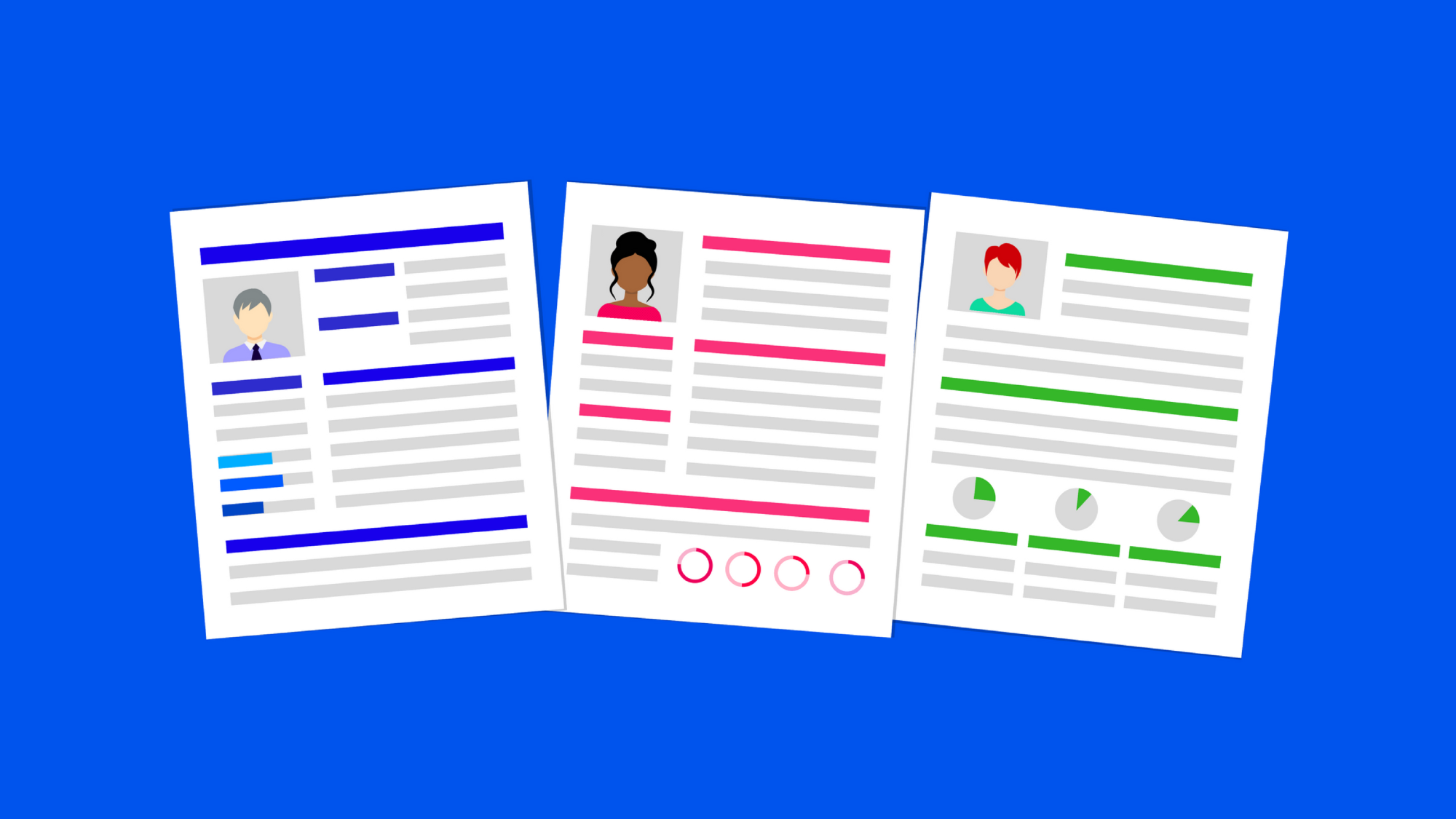
Has hunting for jobs on the internet left you frustrated? If you’re sick of still getting ghosted after months of searching, join the club.
A single job listing, even for a small company, can receive thousands of applications. This means that unless your resume is exceptional, a recruiter won’t even read it.
Even though applying for jobs online is a stacked numbers game, building a bot to auto-apply to every relevant listing will only get you so far. If you really want to stand out from the crowd, read on to learn how to improve your resume and stop relying on the shotgun approach.
How Online Applications Work
“How can I improve my resume quality?” is a common question among people who are new to the job search or are used to submitting paper applications. The characteristics that make a “quality” resume are different when you’re applying online, so the first step toward resume improvement is understanding how online applications work.
Most online jobs don’t reach a real person until they’ve already made it through a rigorous screening algorithm. Known as an applicant tracking system (ATS), this software looks for key features in resumes and cover letters.
If the resume isn’t in a readable format, is missing key terms, or contains too much irrelevant info, the ATS throws it out. Only the ones that check all the pre-programmed boxes will get sent on to a recruiter.
How to Improve Your Resume With Keywords
The good news about having an ATS scan your resume is that if you do include the right keywords, you boost your chances of making it through to a recruiter. These keywords may include years of experience, a college degree, or a specific license. Also, the hard and soft skills listed in the job title and description are almost guaranteed to be on the required keyword list.
No matter what, make sure your keywords are accurate and contextual—don’t try to “game the system”. If you haven’t written an internet-friendly resume on your own before, it’s worth seeking out resume writing assistance so someone with more experience can help fine-tune your keyword choice.
Getting the Formatting Right
Along with key terms, optimizing the format is the best way to improve your resume.
The goal here is to make sure your document is easily-scannable and attractive to both recruiters and an ATS. First, make sure to save your resume as a .docx or .pdf file unless otherwise specified. You can use Google Docs to save your files in these formats for free.
Next, organize your work experience in reverse chronological order, only including information that’s relevant to the position you’re applying for. Keep the font large enough to read, organize sections so they read from left to right, and don’t include photos or fancy graphics.
Try These Ways to Improve Your Resume
If you’ve been wondering how to improve your resume enough to get it in front of a recruiter’s eyes, give these tips a try. It’s likely to take some trial and error, but knowing how the online application system works increases your chances of landing an interview.
Make sure to read through the rest of our site for more tips on landing a job online.