Restore Clarity: Easy Tricks to Unblur Photos
Posted on November 18, 2025 by Logo Design Tips and Tricks

Have you ever taken what felt like the perfect photo, only to see it turn out blurry? It’s frustrating, especially when it’s a special moment you want to keep. The good news is that you don’t have to give up on those photos. There are simple ways to fix blurry pictures and make them look clear again. Whether you just like snapping pics for fun or you’re more into photography, you’ll find easy tricks that can help.
By the time you finish reading, you’ll know how to bring your blurry shots back to life-and perhaps even wow your friends with your photo-fixing skills. Let’s get into it!
Understanding the Causes of Blurry Photos
Before tackling the problem of blurriness, it’s essential to understand what causes it in the first place. Blurry images can result from various factors, including:
Camera Shake
Sometimes your hands move a little when you take a picture. This small shake can cause the whole photo to look blurry. It’s a common problem, especially when you’re not using a tripod.
Out of Focus
If your camera doesn’t focus on the right subject, the image won’t appear sharp. The main part of the photo may turn out soft or hazy. This often happens when the autofocus picks the wrong spot.
Low Light Conditions
Taking pictures in dark environments can be challenging. Your camera may use a slower shutter speed to allow more light. This can easily lead to blur if there is any movement.
How to Prevent Blurry Photos Before You Shoot
Preventing blur starts before you even press the shutter button. Make sure your camera or phone is focused properly on your main subject-many devices let you tap the screen to set focus.
Keep your hands steady by holding your camera firmly with both hands, or better yet, use a tripod or stabilizer whenever possible. Adjust your camera settings to suit the lighting conditions, such as increasing the shutter speed to freeze motion.
Avoid zooming in too much, as digital zoom can reduce image sharpness. These simple steps help capture clearer photos and reduce the need for later fixes.
Using Software to Unblur Photos
One of the easiest methods to fix blurry photos is by using photo editing software. Many programs are designed with user-friendly features to help you sharpen your images. Here are some things to consider when choosing the right editing software:
Look for Sharpening Tools
Most photo editors have a tool called “sharpen” or “enhance.” This tool works by making the edges in your photo clearer and more defined. Using it judiciously can bring back details and reduce blur without making your picture appear unnatural.
Try AI-Based Software
Newer software often uses artificial intelligence (AI) to improve blurry photos. These programs analyze your image and fill in missing details automatically. AI tools can be especially helpful for fixing photos that are very out of focus or shaky.
Check for Easy-to-Use Interfaces
If you’re new to photo editing, pick software with a simple design. Some apps even offer one-click fixes, which save you time and effort. You don’t need to be an expert to get great results!
Popular Software Options
There are many programs available, from free apps to professional tools. Take a look at one of these options in the market. Each program has its own strengths, so try a few to see what works best for you.
Understanding Photo Quality: When Is a Photo Too Blurry to Fix?
Not all blurry photos can be fully restored, so it’s important to know what to expect. If the image is only slightly out of focus or has mild shake, software tools can often improve it significantly.
However, if the photo is extremely blurry or heavily pixelated, no amount of editing can bring back fine details. Sometimes, important parts of the image may be completely lost, making restoration impossible.
In these cases, it might be better to retake the photo if possible or accept the blur as part of the moment. Knowing the limits of photo restoration helps you save time and focus on the best options for your pictures.
Quick Tips for Improving Photo Clarity
Alongside software and apps, there are some quick tips you can apply to improve the clarity of your photos:
Keep Your Camera Steady
One of the best ways to avoid blurry photos is to keep your camera steady while shooting. Using a tripod or stabilizer helps reduce any unwanted movement.
This is especially useful in low light or when using slow shutter speeds. Even holding your camera with both hands and keeping your elbows close to your body can help.
Increase Lighting
Good lighting makes a huge difference in photo clarity. When there’s plenty of light, your camera can use faster settings, which reduces blur.
Try shooting outside during the day or adding extra lamps if you’re indoors. Bright light helps your camera focus better and capture sharp images.
Use a Higher Shutter Speed
A faster shutter speed means the camera’s sensor is exposed for a shorter time. This helps freeze motion and prevents blur from moving subjects.
It’s especially helpful when taking pictures of kids, pets, or anything in action. Just keep in mind that faster shutter speeds may need more light to work well.
Professional Services to Restore Your Photos
If you’re not getting desired results, you can seek professional photo restoration services. These experts have advanced tools and techniques to enhance blurry images effectively. Usually, they charge a fee for their services, but the results can be worth it, especially for cherished photos that demand better quality.
This option is particularly beneficial for those who want to ensure their memories are preserved at the highest quality possible. It’s worth researching local services or reputable online options that specialize in photo restoration.
Restoring Clarity with this Guide
Blurry photos don’t have to remain a frustrating part of your photography experience. By taking the right steps, you can confidently unblur photos and enhance your images remarkably. From utilizing photo editing software to leveraging mobile apps, there’s a plethora of tools available that can help you restore clarity.
Ready to enhance your photos? Take a look at some of the best options in the market and start your journey toward clearer, more vibrant images!
Is this article helpful? Keep reading our blog for more.
Benefits of Using an Online Image Resizer Tool
Posted on November 18, 2025 by Logo Design Tips and Tricks
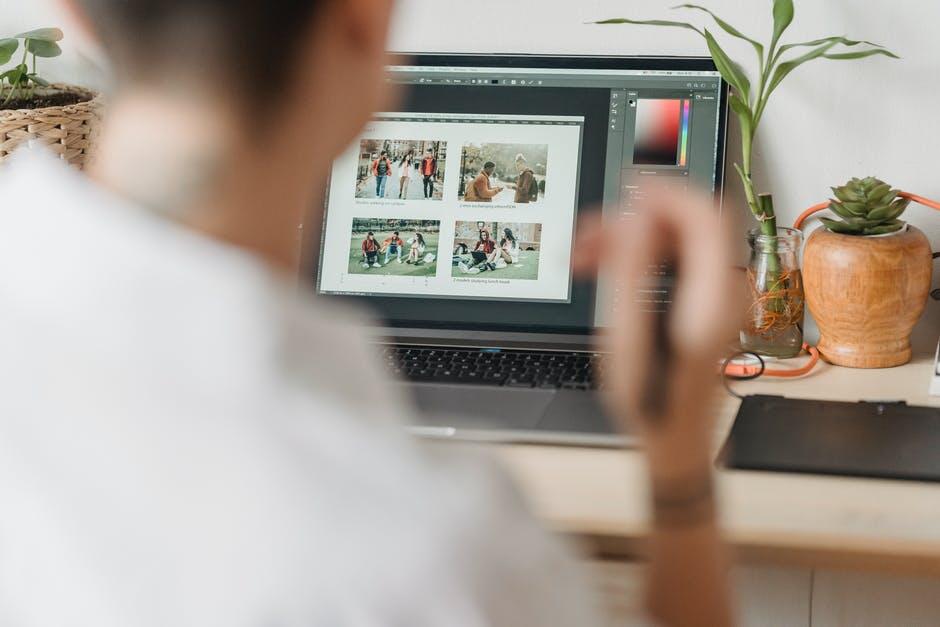
Images are important for websites, social media, and emails. Large images can slow down loading time. Small, optimized images improve user experience. Using an online image resizer tool makes this process easy.
You can adjust sizes without losing quality. It works on any device with an internet connection. Learn practical ways to use an online image resizer tool to improve your visuals and reach more viewers.
Read on!
Faster Website Loading
Large images can slow down web pages. Visitors leave if pages take too long to load. An online image resizer tool quickly reduces file size. It keeps images clear while making them smaller.
Faster websites improve user satisfaction. Search engines favor quick-loading pages. Reduced image size lowers bandwidth use. It helps both desktop and mobile users. This makes your website perform better overall.
Better Social Media Sharing
Social platforms limit image size. Oversized images may not upload properly. Resizing ensures they fit requirements. An online image resizer tool makes this simple. It keeps proportions correct without stretching.
Clear images attract more engagement. Users can share content faster. Consistent sizing improves branding. This keeps your posts professional and readable.
Email Optimization
Emails with large images load slowly. Some email clients block big files. Using a resizer makes images smaller. It helps emails reach inboxes quickly. Mobile users benefit from fast-loading visuals.
A clear image keeps readers interested. Reduced file size avoids email crashes. You maintain design quality while cutting size. Faster emails improve open and click rates.
Storage Space Management
High-resolution images take up storage. Too many files can fill hard drives or servers. A resizer tool reduces file size. It keeps the image quality intact. Smaller files save space efficiently.
You can store more images without upgrading hardware. Cloud storage costs decrease. Organizing smaller images is easier. This keeps your system cleaner and faster.
Improved SEO
Search engines prefer fast-loading pages. Large images can hurt rankings. An online image resizer tool reduces size. Optimized images load quicker and improve SEO. Mobile search benefits from fast images.
It increases the chances of higher visibility. Smaller images improve overall website performance. Clear, lightweight images rank better. SEO improves without sacrificing quality.
Consistent Visuals
Images may have different dimensions. Uniform sizing improves page design. Resizing keeps images proportional. It avoids stretched or cut-off visuals. An online image resizer tool helps maintain consistency.
This improves user experience. Professional-looking visuals build trust. Pages appear organized and neat. Consistent sizes make content easier to read.
Easy Image Editing
Resizing is part of simple editing. You can crop and adjust dimensions quickly. An online tool provides control over image sizes. No software installation is needed. It is accessible from any device.
You can save multiple versions. Quick edits improve workflow efficiency. Small changes can fit different platforms. Resizing simplifies the editing process.
Faster Uploads
Large files take time to upload. Smaller images upload faster. Using a resizer tool improves speed. It reduces waiting time for files. This helps social media and websites.
Faster uploads improve workflow. You can share more content quickly. It makes online tasks less frustrating. Uploading becomes more efficient overall.
Mobile-Friendly Content
Mobile screens have limited space. Large images may appear incorrectly. Resizing ensures images fit screens. An online image resizer tool helps maintain clarity. It improves readability for mobile users.
Smaller images load faster on data connections. Users navigate content easily. Mobile optimization increases engagement. Visuals appear clean and professional.
Improved Performance on Multiple Platforms
Different platforms have different size requirements. Resizing makes images compatible everywhere. You avoid pixelation or distortion. An online image resizer tool is quick and simple.
This ensures visuals work for websites, apps, and social media. It improves overall user experience. Images remain sharp across devices. Managing multiple platforms becomes easier. Consistency is maintained without extra effort.
Quick File Sharing
Large images are hard to send via email or messaging apps. A resizer reduces file size instantly. You can downscale image for easier sharing. Files transfer faster and without errors.
Recipients view images without delays. It saves time for everyone. Smaller files are compatible with more systems. Sharing multiple images becomes convenient. Communication improves with optimized files.
Cost-Effective Solution
Large images can increase hosting costs. Smaller images save storage and bandwidth. Using an online image resizer tool is free or low-cost. You avoid expensive software purchases.
It reduces server load and maintenance costs. Businesses can manage resources better. It works for individuals and teams. Optimized images cut down on extra spending. Cost-effective solutions make operations efficient.
Protects Image Quality
Resizing does not always lower quality. A good online image resizer tool keeps details sharp. You avoid blurry or pixelated visuals. Small files still look clear. This is important for professional use.
Clients and viewers notice quality. You maintain colors and contrast. Images remain attractive on screens. Quality is preserved even when size changes.
Saves Time
Resizing images manually is slow. An online tool does it in seconds. You do not need complex software. Multiple images can be resized at once. This speeds up projects. Teams work faster together.
Uploading and sharing images takes less effort. Deadlines are easier to meet. Time saved can be used for other tasks.
Supports Multiple Formats
Images come in different file types. JPEG, PNG, GIF, and others need resizing. A good tool handles all common formats. You do not need separate software. It keeps compatibility for websites and apps.
Resizing does not change the file type. You maintain quality across formats. Files remain usable everywhere. Format support makes the tool flexible.
Easy to Use
An online image resizer tool is simple to operate. You do not need technical skills. Uploading an image takes seconds. Adjusting size is straightforward. You see results immediately.
No complicated menus are involved. It works on any device with internet access. You can resize multiple images quickly. The process is clear and user-friendly.
Discover the Benefits of Using an Online Image Resizer Tool
Using an online image resizer tool improves website speed, social media presence, and email performance. It saves storage space and ensures consistent visuals. Mobile users and multiple platforms benefit from optimized images.
Sharing files becomes faster and easier. SEO performance and user experience improve simultaneously. The process is simple, fast, and affordable. Start resizing your images today to enhance your content and reach more viewers.
For other topics, visit our blog page. We do have more!
Easy Ways to Create Custom Thumbnails for Any Content
Posted on November 18, 2025 by Logo Design Tips and Tricks

With so much content online, it can be hard to stand out. A great way to catch attention and get people to click is by using custom thumbnails.
These images give a quick preview of your content and show viewers what to expect. So how can you make thumbnails that really stand out?
Whether you’ve been creating for a while or are just starting, a few simple tricks can make a big difference.
Understanding the Importance of Custom Thumbnails
Custom thumbnails are important for getting people to engage with your content. Videos with custom thumbnails get more views than those without. The same idea works for blog posts and articles.
A good thumbnail can bring more clicks and help build your brand. Think of it as a visual hook – it should show what your content is about while catching the eye.
People scroll through endless feeds online. A strong thumbnail makes them pause and take a closer look. In short, spending time to design custom thumbnails can lead to much higher engagement.
Design Principles for Eye-Catching Thumbnails
To make thumbnails connect with viewers, follow a few simple design tips. Bright colors can grab attention and lead to more clicks. Using colors that contrast helps your thumbnail stand out in a busy feed.
Big, clear fonts are also important. Text should be easy to read, even on small screens. Keep it short – just a few words that show the main idea. Adding faces with clear emotions can also draw interest and make people more likely to click.
Incorporating Branding
Another key element in creating custom thumbnails is incorporating elements of your branding. Use consistent colors, fonts, and imagery that reflect your brand identity. This approach not only fosters recognition but also builds a cohesive visual presence across all your platforms.
Testing Thumbnail Effectiveness
After creating your thumbnails, it’s important to test their effectiveness. Platforms like YouTube provide analytics that enable you to see how your thumbnails are performing.
Monitor click-through rates and adjust your strategies as needed. Don’t hesitate to experiment with A/B testing, a method in which you compare two different thumbnails to see which garners more clicks.
Specific Considerations for YouTube Thumbnails
YouTube provides unique opportunities for engagement through its thumbnail feature, making a stunning YouTube thumbnail critical for success. Specific dimensions (1280 x 720 pixels) and a file size not exceeding 2MB are recommended for a YouTube thumbnail to achieve optimal resolution.
Moreover, engaging images or dynamic clips from your videos can give viewers a clear idea of your content. YouTube also encourages creators to maintain a consistent style across their videos, helping to strengthen their brand identity.
Essential Elements of a Custom Thumbnail
A custom thumbnail is a great way to catch people’s attention and get more clicks. To make it work well, you need a few key parts. First, use clear, high-quality images so your video or post looks good.
Second, add bold, easy-to-read text so viewers quickly know what it’s about, even on small screens. Third, choose bright colors and strong contrast to make your thumbnail stand out. Fourth, add branding, like your logo, font, or colors, so people start to recognize your style.
Last, keep it honest-the picture and text should match your content so viewers trust you. A good thumbnail is simple, eye-catching, and consistent, which helps bring in more engagement.
Emphasizing Call to Actions in Thumbnails
A powerful way to enhance the effectiveness of your custom thumbnails is by incorporating clear call-to-action (CTA) phrases. Phrases like “Watch Now” or “Don’t Miss Out” installed into your designs can invite users to take immediate action.
It’s important to ensure these CTAs are unobtrusive yet prominent. Avoid overcrowding your thumbnail with text, as clarity should always be the priority. Pair the CTAs with ideally positioned images so that they complement rather than distract from your primary message.
Ensuring Accessibility
While creating captivating thumbnails, incorporating accessibility should not be overlooked. Consider color contrast for those who are colorblind or visually impaired. Using alt text can also maximize the accessibility of your videos for users who may rely on screen readers, making your content welcoming to all audiences.
Using Image Composition Techniques
Using image design techniques can make your thumbnails look much better. One useful method is the Rule of Thirds. This means dividing your thumbnail into a three-by-three grid and placing key parts along the lines.
It helps create balance and makes the image more interesting. You can also mix images with bright backgrounds to catch attention.
This creates layers that add depth to the design. Using these simple strategies can help your thumbnails stand out and attract more viewers.
Additional Tips for Creating Custom Thumbnails
Don’t hesitate to look for inspiration both on YouTube and other content-sharing platforms. Analyzing popular content can give you insights into what works and what doesn’t. Following trends while incorporating your personal touch, can also help your thumbnails remain relevant.
Additionally, be mindful of file formats. JPEG and PNG are generally the best choices for high-quality images. Always save your work for easy access once you decide on a finalized design.
Finally, stay updated on platform requirements or trends. For example, social media algorithms flag vibrant, clear thumbnails with consistent branding as more engaging and cut-through, which creates greater visibility for your content.
Test and Analyze Your Thumbnails
After creating your custom thumbnails, it’s essential to track their performance. A/B testing can provide valuable insights into which designs yield the best CTR. You can assess factors like image choice, text style, and color schemes to refine your future thumbnails.
Analyzing metrics from platforms, particularly YouTube Analytics, can be particularly enlightening. This allows you to see how different custom thumbnails perform in terms of viewer engagement and retention, helping you fine-tune your approach to thumbnail design.
Create Custom Thumbnails for Any Content
Custom thumbnails are important if you want more people to notice and engage with your content. Bright designs, a consistent style, and clear calls to action can help you get more clicks.
Thumbnails are not just pictures – they are an invitation and a key part of your content strategy. As you create, remember how much a strong thumbnail can help. Start improving your online presence today!
Looking for more tips and advice? You’re in the right place! Make sure to bookmark our page and come back to check out more interesting articles.
Enhance Image Quality Instantly with Free Tool
Posted on November 18, 2025 by Logo Design Tips and Tricks

Have you ever looked at a photo and wished it appeared sharper and more vibrant? Blurry or dull images can make even the best moments seem less special. Good photo quality is important, whether for personal memories, business use, or social media posts.
However, editing tools can sometimes feel too complicated or expensive. Fortunately, free tools now make improving photo quality simple and fast. These tools can bring clarity, brightness, and life to any image.
This blog shares how to enhance image quality instantly with easy, effective methods. Keep on reading!
Why Image Quality Matters in Everyday Use
In both personal and professional settings, pictures that are clear and look good make a big difference. It’s easier to remember things, feelings, and details when the picture is clear.
When it comes to business, good visuals boost brand recognition and build trust with customers. Also, people on social media are more likely to interact with images that are clean and bright. When you post pictures of your vacation or your products, the quality of the pictures sets the tone.
On the other hand, images that aren’t very good may look unprofessional or not appealing. That’s why it’s so helpful to use tools that quickly improve the quality of images. Each picture they take brings out the best in the moment.
Common Problems with Photos That Need Fixing
A lot of people have trouble with pictures that are blurry or grainy after they take them. Photos can look dark or dull if they are not lit well.
Details that are pixelated or not clear are often caused by low resolution. If you don’t expose a picture enough, the shadows will be too strong, and the colors will be washed out. Moving or shaking the camera can sometimes cause blur that you don’t want.
Also, colors might not look bright and lively, but faded. These problems can make a picture less powerful and high-quality overall. You don’t need to be an expert editor to fix these issues; free tools make it easy.
How Free Tools Improve Image Sharpness
Sharpening is one of the best things about free tools. This method makes edges and details stand out more. It helps get rid of the blur that comes from shaking hands or moving quickly.
Sharpening tools can make even old, low-quality photos look clearer. A lot of tools use smart technology to figure out what parts of an image are important. This means that backgrounds, objects, and faces are all improved in the same way.
The picture looks better and more professional after this. Images look better right away after being sharpened quickly.
Brightening and Balancing Light Automatically
A lot of what makes photos look good is the lighting. Free tools for improving things can change the brightness levels automatically. They make dark spots lighter without losing details that are important.
They also keep spots that are too bright from looking washed out. When lighting is balanced, it makes an effect that looks natural and nice. This works well for pictures taken inside or when it’s dark.
It makes sure that the whole picture can be seen clearly. Pictures can look better and more balanced with just one click.
Adding Vibrancy to Colors with Ease
Colors can bring life to any photo, but they don’t always appear vibrant. Free tools often include features that enhance color richness.
They make reds, blues, greens, and other tones pop without looking fake. This is useful for nature photos, product images, or creative projects. Vibrant colors capture attention and leave a strong impression.
At the same time, these tools avoid oversaturation, keeping the photo natural. Adjustments are quick and simple, taking only seconds. A photo enhancer can completely transform dull images into lively works of art.
Preserving Quality While Enhancing Resolution
Images need to be resized sometimes so they don’t lose their clarity. When you scale, free tools can add sharpness to improve resolution. This keeps photos from getting fuzzy when they are blown up.
These kinds of features help when you want to print photos or use them on bigger screens. The technology keeps the details clear, no matter what size they are. The image doesn’t have pixelated edges; instead, it looks smooth and professional.
A lot of tools will make these changes automatically, so you don’t have to do anything else. It’s easy to improve resolution this way, even for beginners.
Fast and Easy Online Access
Accessing free image tools online is a big plus. Installation or complicated software setup is not needed.
Anyone can upload a picture and get instant improvements. Therefore, they are great for making quick changes while you’re out and about. Online access works on many devices, such as laptops and phones.
One-click improvements in a lot of tools save time. Now, people can get results that look like they were done by a professional in minutes, thanks to this convenience.
Benefits of Social Media and Business Content
High-quality images play a big role in online presence. Social media platforms reward clear, vibrant visuals with more likes and shares. Businesses benefit by attracting customers with sharp product photos.
Bright and professional pictures make ads and websites more trustworthy. Free tools are a cost-effective way to achieve this. They improve engagement without the need for expensive software.
The results can help boost sales, brand image, and audience growth. Clear visuals simply communicate more effectively to every viewer.
Choosing the Right Free Tool for Your Needs
With many free tools available, choosing the right one is important. Some focus on quick fixes like brightness and sharpness. Others offer more advanced features like background removal or filters.
It is best to pick a tool that matches your purpose. For example, business use may require detailed enhancements, while casual users may prefer simplicity. Reviews and ratings often help guide these choices.
Many tools also offer mobile versions for easy access. Testing a few options ensures the best match for editing needs.
Achieving Professional-Looking Images Instantly
How people see and remember pictures can be changed by the quality of the pictures. Sharpening, brightening, and improving photos is easy with free tools. The results look professional, and they save time and money.
Not only casual users but also business owners looking for better content can benefit. All of these tools make images look better by improving lighting, color, and clarity.
On top of that, they make sure that projects and memories look great. It’s never been easier or faster to make pictures better.
Did you like this guide? Great! Please browse our website for more!